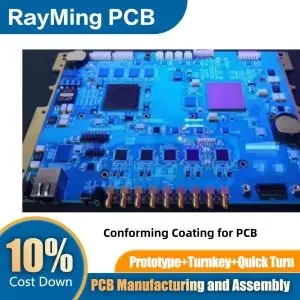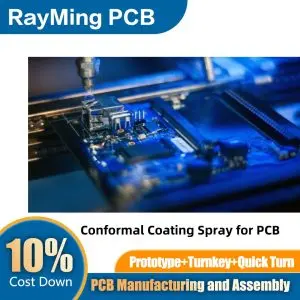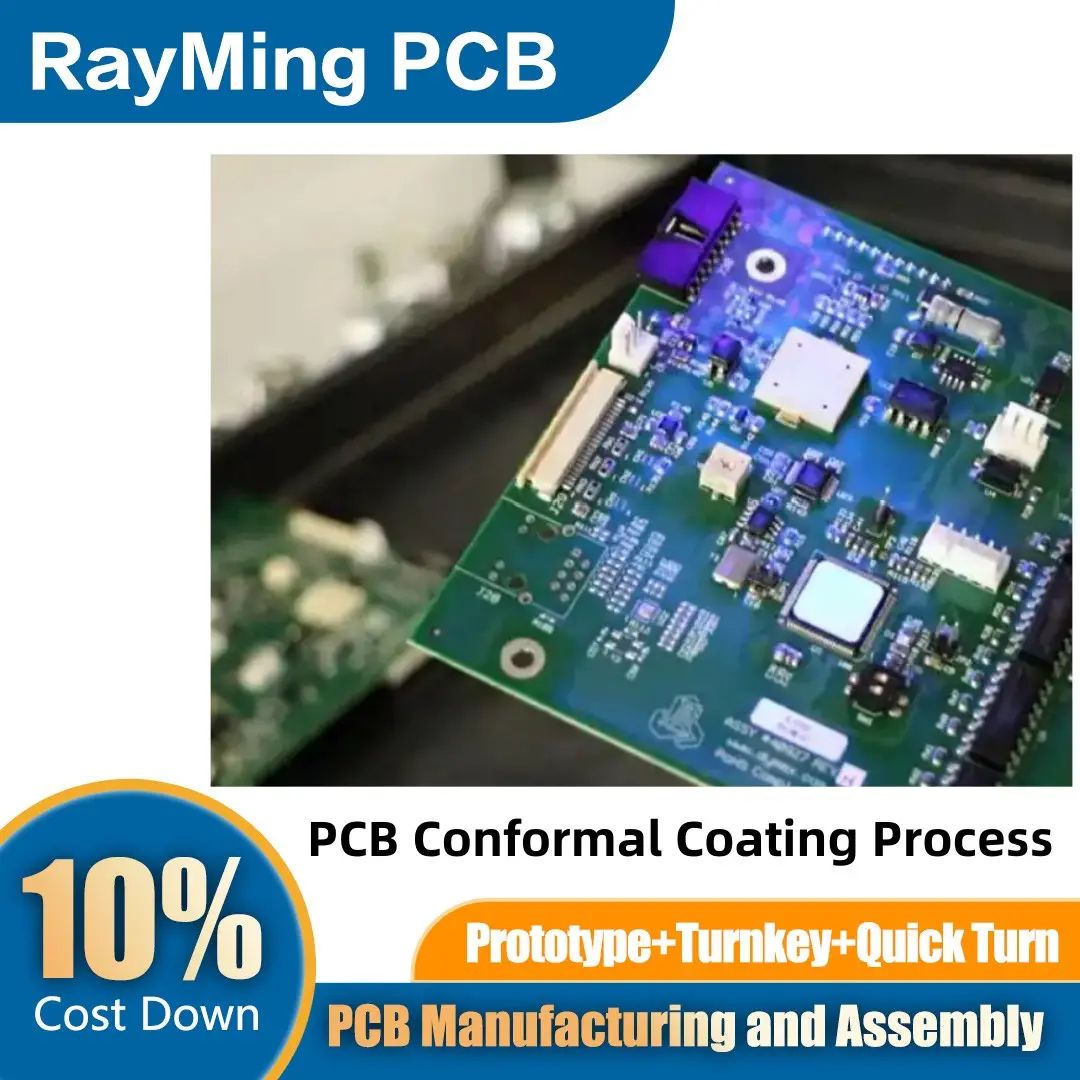
The PCB conformal coating process is a critical step in protecting printed circuit boards (PCBs) from environmental factors such as moisture, dust, chemicals, and temperature fluctuations. This thin protective layer enhances the reliability and longevity of electronic components, especially in harsh operating conditions. The process begins with thorough cleaning of the PCB to remove contaminants that could affect adhesion. Common coating materials include acrylic, silicone, urethane, and epoxy, each offering unique properties like flexibility, chemical resistance, or thermal stability.
Application methods vary based on the coating type and PCB design. These include spraying, brushing, dipping, and selective coating. Spraying is efficient for large-scale production, while brushing is ideal for small-scale or manual applications. Dipping ensures complete coverage, and selective coating targets specific areas using automated systems. After application, the coating is cured, either through UV light, heat, or air drying, depending on the material. Proper masking of sensitive components, such as connectors, is essential to avoid interference with functionality. The conformal coating process ensures PCBs are robust and reliable, making it indispensable in industries like automotive, aerospace, and consumer electronics.