
Printed Circuit Boards (PCBs) are the backbone of modern electronics, providing a platform for mounting and interconnecting electronic components. One crucial factor in PCB selection is the glass transition temperature (Tg), which plays a significant role in determining the board’s performance and reliability. This article will delve into a comprehensive comparison of PCBs with different Tg values: 130, 140, 150, 170, and 180.
Understanding Glass Transition Temperature (Tg)
Before we dive into the comparison, it’s essential to understand what Tg means in the context of PCBs.
What is Tg?
The glass transition temperature (Tg) is the temperature at which a polymer transitions from a hard, glass-like state to a more pliable, rubber-like state. In PCB manufacturing, Tg refers to the temperature at which the epoxy resin used in the board’s construction begins to soften and lose its rigid structure.
Importance of Tg in PCB Manufacturing
Tg is a critical factor in PCB design and selection for several reasons:
- Thermal stability
- Dimensional stability
- Reliability in high-temperature environments
- Impact on electrical properties
Comparing TG 130, 140, 150, 170, and 180 PCBs
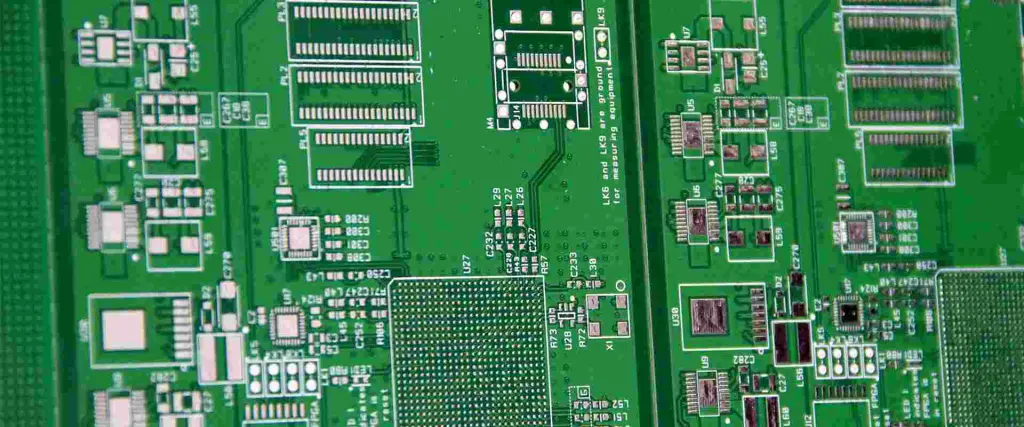
Let’s examine each of these PCB types in detail, focusing on their characteristics, advantages, and typical applications.
TG 130 PCB
Characteristics
- Lowest Tg value in our comparison
- Made with standard epoxy resin
- Relatively lower cost
Advantages
- Suitable for most consumer electronics
- Cost-effective for large-scale production
- Adequate performance in normal operating conditions
Applications
- Home appliances
- Basic computer peripherals
- Simple automotive electronics
TG 140 PCB
Characteristics
- Slightly higher Tg than 130
- Improved thermal stability
- Moderate cost
Advantages
- Better performance in slightly elevated temperatures
- Improved reliability for more demanding applications
- Good balance between cost and performance
Applications
- Industrial control systems
- Advanced consumer electronics
- Entry-level telecommunications equipment
TG 150 PCB
Characteristics
- Mid-range Tg value
- Enhanced thermal and dimensional stability
- Moderate to high cost
Advantages
- Suitable for a wide range of applications
- Good performance in moderately high-temperature environments
- Improved signal integrity at higher frequencies
Applications
- Automotive engine control units
- High-end consumer electronics
- Telecommunications infrastructure
TG 170 PCB
Characteristics
- High Tg value
- Excellent thermal and dimensional stability
- Higher cost than lower Tg options
Advantages
- Superior performance in high-temperature environments
- Maintains electrical properties at elevated temperatures
- Ideal for high-reliability applications
Applications
- Aerospace electronics
- Military equipment
- High-performance computing systems
TG 180 PCB
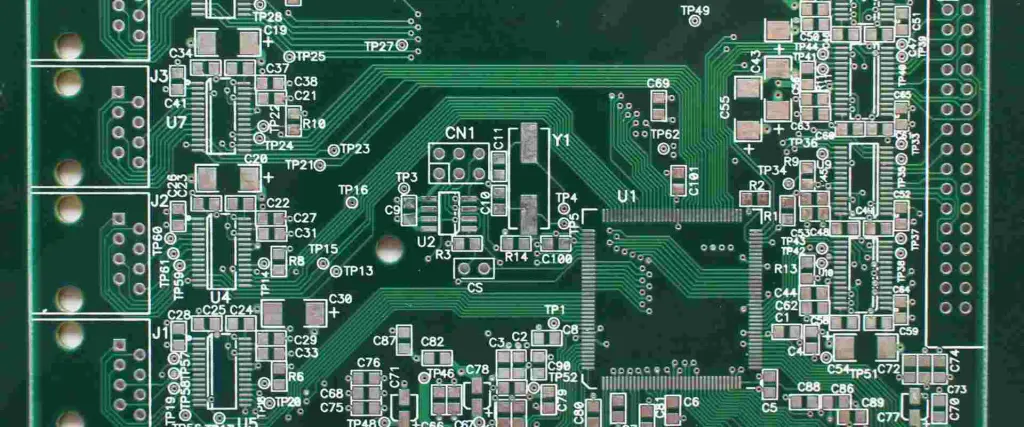
Characteristics
- Highest Tg value in our comparison
- Maximum thermal and dimensional stability
- Highest cost among the options
Advantages
- Exceptional performance in extreme temperature conditions
- Maintains structural integrity in harsh environments
- Ideal for mission-critical applications
Applications
- Satellite communications
- Advanced military systems
- High-temperature industrial equipment
Comparative Analysis
To better understand the differences between these PCB types, let’s compare them across several key parameters.
Thermal Performance
| PCB Type | Max Operating Temperature | Thermal Expansion Coefficient |
| TG 130 | Up to 100°C | Higher |
| TG 140 | Up to 110°C | Moderately High |
| TG 150 | Up to 120°C | Moderate |
| TG 170 | Up to 140°C | Low |
| TG 180 | Up to 150°C | Lowest |
Electrical Properties
| PCB Type | Dielectric Constant | Dissipation Factor |
| TG 130 | 4.5 – 4.9 | 0.020 – 0.025 |
| TG 140 | 4.4 – 4.8 | 0.018 – 0.022 |
| TG 150 | 4.3 – 4.7 | 0.015 – 0.020 |
| TG 170 | 4.2 – 4.6 | 0.012 – 0.018 |
| TG 180 | 4.0 – 4.4 | 0.010 – 0.015 |
Cost and Manufacturing Considerations
| PCB Type | Relative Cost | Ease of Manufacturing | Availability |
| TG 130 | Low | Easiest | Widely available |
| TG 140 | Low-Moderate | Easy | Readily available |
| TG 150 | Moderate | Moderate | Common |
| TG 170 | High | Challenging | Less common |
| TG 180 | Highest | Most challenging | Specialized suppliers |
Factors to Consider When Choosing PCB Tg
When selecting the appropriate PCB Tg for your application, consider the following factors:
- Operating Environment
- Thermal Management Requirements
- Reliability Expectations
- Signal Integrity Needs
- Cost Constraints
- Regulatory Compliance
Operating Environment
The operating environment is perhaps the most critical factor in determining the appropriate Tg for your PCB. Consider:
- Maximum ambient temperature
- Temperature fluctuations
- Exposure to heat sources
For example, if your device will operate in an environment with temperatures consistently above 100°C, a TG 130 PCB would be inadequate, and you should consider TG 150 or higher.
Thermal Management Requirements
Evaluate the thermal management strategies in your design:
- Heat dissipation methods
- Proximity to heat-generating components
- Thermal cycling expectations
PCBs with higher Tg values generally offer better performance under challenging thermal conditions.
Reliability Expectations
Consider the expected lifespan and reliability requirements of your product:
- Mission-critical applications
- Consumer vs. industrial vs. military use
- Maintenance and replacement frequency
Higher Tg PCBs often provide improved long-term reliability, especially in demanding applications.
Signal Integrity Needs
For high-frequency applications, signal integrity is crucial:
- Operating frequencies
- Trace lengths and impedance control
- EMI/EMC considerations
Higher Tg materials typically offer better signal integrity at high frequencies due to more stable dielectric properties.
Cost Constraints

Balance performance requirements with budget limitations:
- Production volume
- Target market and price point
- Overall system cost
While higher Tg PCBs offer superior performance, they come at a higher cost. Evaluate whether the performance gains justify the increased expense for your specific application.
Regulatory Compliance
Ensure your PCB choice meets relevant industry standards and regulations:
- IPC standards
- UL certifications
- Industry-specific requirements (e.g., automotive, aerospace)
Some applications may require minimum Tg values to meet regulatory requirements.
Impact of Tg on PCB Manufacturing and Assembly
The choice of Tg impacts not only the final product performance but also the manufacturing and assembly processes.
PCB Fabrication
Higher Tg materials often require:
- Higher processing temperatures
- Longer curing times
- Specialized equipment
This can lead to increased manufacturing costs and longer lead times for high Tg PCBs.
PCB Assembly
When assembling PCBs, consider:
- Soldering temperatures and profiles
- Component placement accuracy
- Potential for warpage during reflow
Higher Tg PCBs generally offer better dimensional stability during the assembly process, potentially improving yield and reliability.
Rework and Repair
In case rework is necessary:
- Higher Tg PCBs may be more challenging to rework
- Specialized equipment may be required
- Multiple rework cycles could degrade board performance
Consider the likelihood of rework in your application when selecting Tg.
Future Trends in PCB Materials and Tg
As electronics continue to evolve, so do PCB materials and manufacturing processes. Some trends to watch include:
- Development of new high-performance, high-Tg materials
- Improved manufacturing techniques for high-Tg PCBs
- Integration of advanced thermal management solutions
- Focus on environmentally friendly and halogen-free materials
- Adoption of additive manufacturing techniques for PCB production
These trends may impact the availability, cost, and performance of different Tg PCBs in the future.
Conclusion
Selecting the appropriate PCB Tg is a crucial decision that impacts the performance, reliability, and cost of electronic devices. While TG 130 and TG 140 PCBs offer cost-effective solutions for many consumer applications, TG 150, TG 170, and TG 180 PCBs provide enhanced performance for more demanding environments and applications.
By carefully considering factors such as operating environment, thermal management requirements, reliability expectations, signal integrity needs, cost constraints, and regulatory compliance, engineers and designers can make informed decisions when selecting the most appropriate PCB for their specific application.
As technology continues to advance, staying informed about new materials, manufacturing techniques, and industry trends will be essential for making optimal PCB choices in the future.
FAQ
- Q: Can I use a higher Tg PCB than necessary for my application? A: Yes, you can use a higher Tg PCB than strictly necessary. It may provide better performance and reliability but at a higher cost. Consider whether the benefits justify the additional expense for your specific application.
- Q: How does Tg affect the lifespan of a PCB? A: Higher Tg PCBs generally offer better long-term reliability, especially in high-temperature environments. They maintain their structural and electrical properties over a wider temperature range, potentially extending the lifespan of the PCB and the overall device.
- Q: Are there any disadvantages to using high Tg PCBs? A: The main disadvantages of high Tg PCBs are increased cost, potential manufacturing challenges, and limited availability. They may also be more difficult to rework if necessary.
- Q: Can Tg values be mixed on a multi-layer PCB? A: Yes, it’s possible to use materials with different Tg values in a multi-layer PCB. This approach, known as hybrid construction, can optimize performance and cost. However, it requires careful design consideration and may introduce manufacturing complexities.
- Q: How does Tg relate to the maximum operating temperature of a PCB? A: The Tg is not the maximum operating temperature of a PCB. Generally, the maximum continuous operating temperature is about 25-30°C below the Tg. Operating above this temperature for extended periods can lead to degradation of the PCB’s electrical and mechanical properties.

